

Antibiotic drug resistance has reached crisis proportions.
Antibiotic drug resistance has reached crisis proportions, principally because modern industrial drug discovery efforts have failed to provide new antibiotics. The reasons for failure are manifold, however, a lack of understanding of the basic biology has played a large part. Where modern drug discovery emphasizes reductionist approaches, there is a profound risk of failure if the complexity of the target, indeed the system, is underestimated.
Brown lab researchers are investigating enigmatic processes that are essential for the survival of bacterial pathogens and are working to understand these processes in the context of complex cell systems. The Brown research group is also developing creative chemical-biology platforms to enable the discovery and characterization of new chemical probes with utility as tool compounds in exploring complex biology. Efforts to date have resulted in exciting new knowledge, platforms, chemical probes and lead compounds for antibacterial research. Research in the Brown lab falls into three broad categories of investigation in bacteria: Chemical Genomics, Fitness Costs of Resistance, and Nutrient Stress.
Antibiotic drug resistance has reached crisis proportions.
Antibiotic drug resistance has reached crisis proportions, principally because modern industrial drug discovery efforts have failed to provide new antibiotics. The reasons for failure are manifold, however, a lack of understanding of the basic biology has played a large part. Where modern drug discovery emphasizes reductionist approaches, there is a profound risk of failure if the complexity of the target, indeed the system, is underestimated.
Brown lab researchers are investigating enigmatic processes that are essential for the survival of bacterial pathogens and are working to understand these processes in the context of complex cell systems. The Brown research group is also developing creative chemical-biology platforms to enable the discovery and characterization of new chemical probes with utility as tool compounds in exploring complex biology. Efforts to date have resulted in exciting new knowledge, platforms, chemical probes and lead compounds for antibacterial research. Research in the Brown lab falls into three broad categories of investigation in bacteria: Chemical Genomics, Fitness Costs of Resistance, and Nutrient Stress.
Chemical Genomics
Bioactive chemicals are finding increasing use in a research paradigm that emphasizes the value of these as probes. This follows from the tenet that in order to understand a system we must perturb it. Cell-based screens are well suited to finding new bioactive chemicals but the challenge is in understanding mechanism of action. Brown lab researchers are innovators in the development of platforms for hypothesis generation – genetic enhancement and suppression of chemical-induced phenotypes as well chemical-chemical interaction profiling and metabolite suppression – and are accomplished practitioners of chemical biology. No one approach is a panacea and so the Brown group continue to innovate with creative new platforms in the area of chemical genomics.

Selected Publications


fitness costs of resistance
fitness costs of resistance
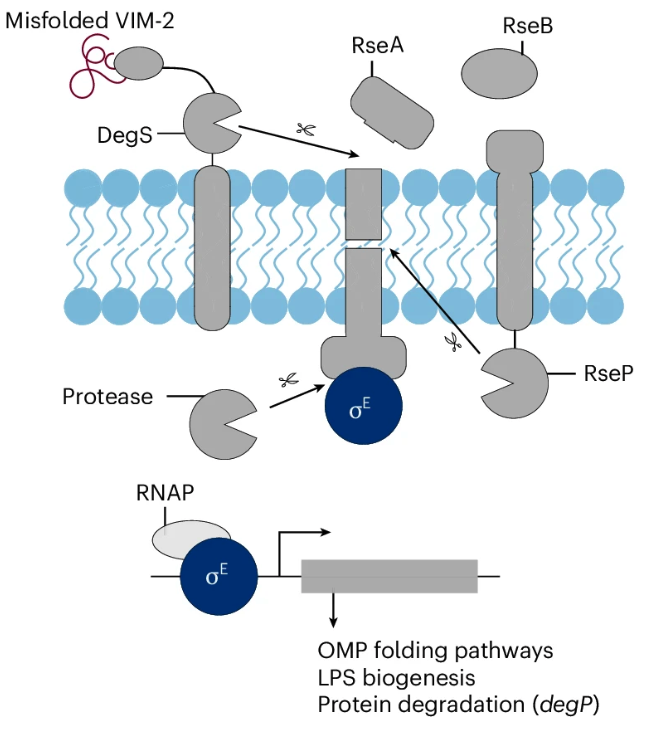
As the discovery of novel antibiotics stalls, alternative strategies are emerging to combat resistant bacteria. One approach the Brown research group is exploring is to exploit collateral sensitivity - a phenomenon in which bacteria that evolve or acquire resistance to one antibiotic become unexpectedly more vulnerable to another, often as a result of rewired metabolic and physiological processes. Brown Lab researchers are actively working to identify and exploit these vulnerabilities by uncovering the genetic and chemical basis of these resistance-associated fitness tradeoffs. This research will contribute to extending the lifespan of existing antibiotics, slowing the development of resistance, and inform entirely new treatment strategies against superbugs.
Selected Publications


Nutrient Stress
Nutrient Stress
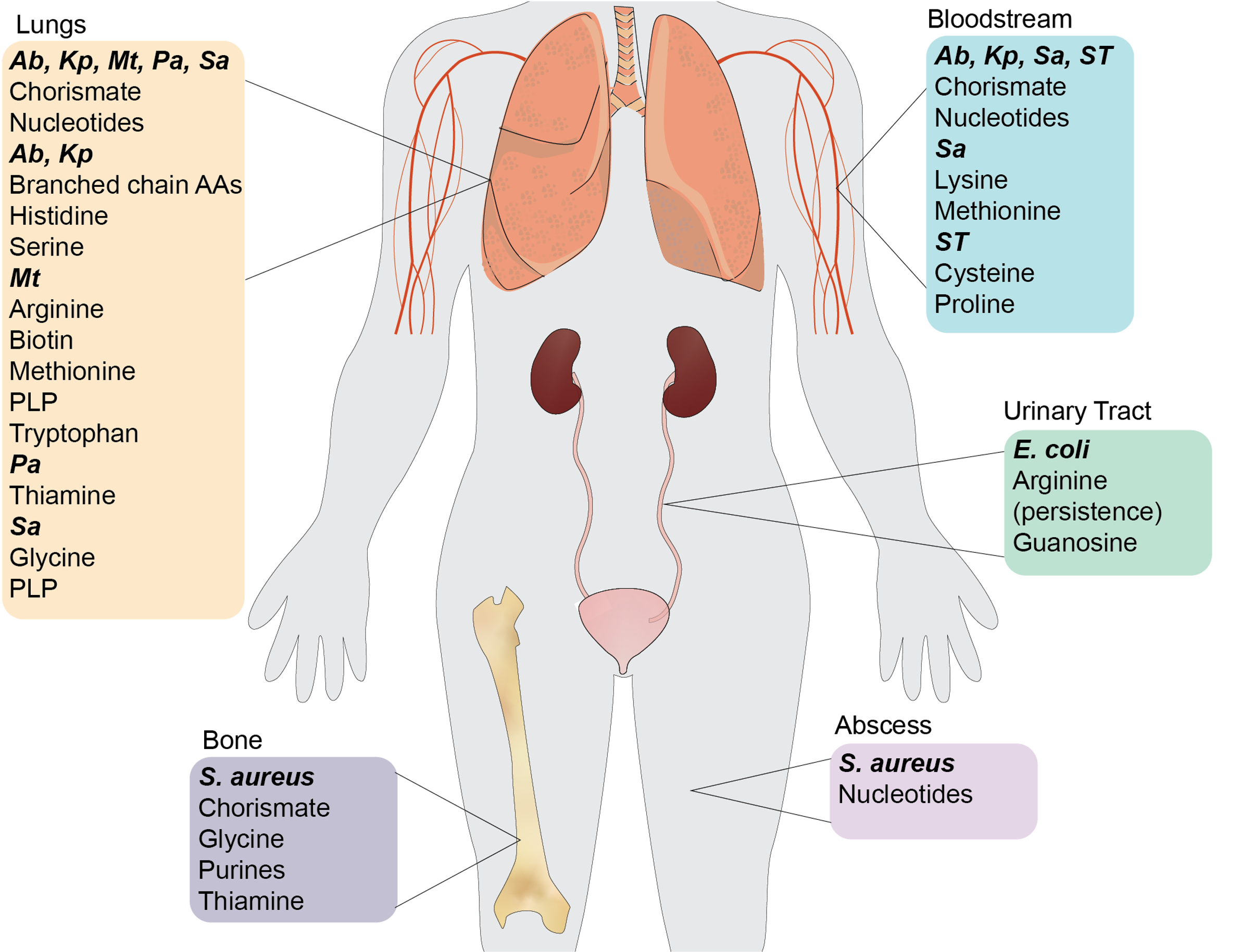
Bacteria under nutrient stress shift in their metabolic activities to include the synthesis of essential amino acids, vitamins and other cofactors. Brown lab researchers are trying to understand the potential of nutrient biosynthesis as a new and tractable target in drug resistant pathogens. To this end, that Brown lab has been screening libraries of structurally diverse synthetic compounds and natural products to find inhibitors of bacterial growth in minimal media. Compounds and extracts active in primary screens are subject to the addition of an array of key metabolites and pools thereof to identify suppressors of growth inhibition and provide hypotheses for physiological, genetic and biochemical experiments to elaborate mechanism of action. Efforts in the Brown research group are also aimed at developing chemical and genomic platforms to understand the interaction of the nutrient biosynthesis apparatus with both bacterial and human physiology using systems approaches.
Selected Publications